Hi, I’m Julia.

Close-up of a woman with light brown hair smiling in front of a light background.

I bridge the gap between complex organizational needs and the learner doing the work.

Certified Strategy. Narrative Empathy. Proven Results.

Strategic Problem-Solver & Collaborative Architect

A learning solution is only as successful as the problem it solves. My approach is rooted in Design Thinking and performance consulting. I partner with stakeholders to look beyond the “we need a course” request and identify the root cause of a performance gap.

The initial analysis step is a collaborative, diagnostic process. I place the learner’s needs front and center. I balance stakeholder expertise and evidence-based design to ensure solutions are technically sound and practical to implement. We aren’t just “treating the symptoms”. We’re working together to create targeted, iterative solutions that bridge the gap between business objectives and the learner's experience.

Empathy-Driven Learner Experience

My design philosophy is built on respecting the learner’s time and attention by delivering high-impact, efficient solutions that provide a measurable return for both the individual and the organization.

Strategic Curation over Content Dumping Rather than simply delivering information, I act as a curator. I’ve partnered with a variety of SMEs, from clinical leaders to front-line sales associates, to pare down complex data to the "critical core"—the essential knowledge that drives performance. Whether I am designing sophisticated simulations for physicians or streamlined workflows for front-line associates, I adapt the tone, complexity, and delivery to meet the learner exactly where they are.

Inclusive & Accessible by Design I treat accessibility as a core requirement, not a last-minute checklist. While I ensure every solution meets WCAG and Section 508 standards, I’m more interested in the "why": removing friction so the learner can focus on the content, not the interface.  Beyond the technical side, I’m a firm believer in authentic representation. I intentionally curate visuals and scenarios that reflect the actual diversity of the workforce. If a learner doesn't see themselves in the training, they won't see the value in it. For me, "inclusive" means making sure the content feels like it was built specifically for the person using it.

The Power of Narrative: Storytelling as Strategy Design thinking helps me bridge the gap between abstract concepts and real-world application. By starting with direct observations for the learner’s daily challenges, I create narrative-driven, scenario-based experiences. Learners should be able to imagine themselves in the same situation, as they are as true to life as possible. Storytelling isn't a hook. It allows learners to safely navigate complex decisions, practice critical thinking, and achieve a deeper level of comprehension through relatable, real-world scenarios. By tying every design choice back to the initial root-cause analysis, I ensure that the final product is both strategically aligned and technically accurate.

From Activity to Impact - Delivering Performance ROI

Measurable Impact & Agile Iteration My accountability begins during the first consultation. I don’t just look for engagement; I look for evidence of change. While completion rates and "smile sheets" provide a baseline for participation, they aren’t the final measure of success. Instead, I focus on Performance ROI: identifying leading indicators (such as a reduction in patient complaints or improved sales conversions) and lagging indicators (like sustained shifts in nurse behavior or increased customer satisfaction scores) that show a solution is actually moving the needle.

The Iterative Loop: Testing the Narrative For high-stakes initiatives, I advocate for a pilot-first approach. Testing scenarios in a "safe" environment before a full rollout allows us to see exactly where the narrative resonates and where it needs adjustment. This iterative loop ensures that by the time we launch, the solution has already been "field-tested."

I treat every project as a living asset. Using a Kirkpatrick-aligned framework, I track the transfer of knowledge into real-world behavior and ultimately back to the business results that matter. I don't just "launch and leave"; I regularly audit the data to ensure the training stays as sharp and effective as the day it was released.

A stack of hardcover books with colorful covers on a table.

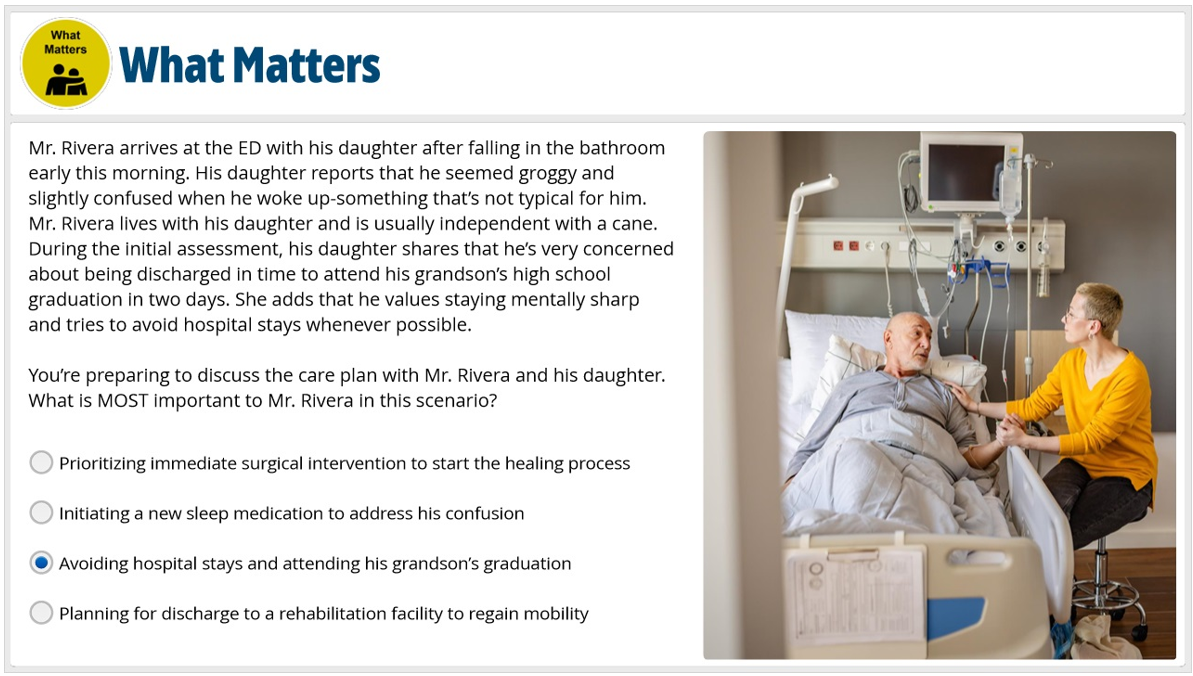
Age Friendly Care

Utilizing AI for content creation & building out scenarios

View Project

Case Studies

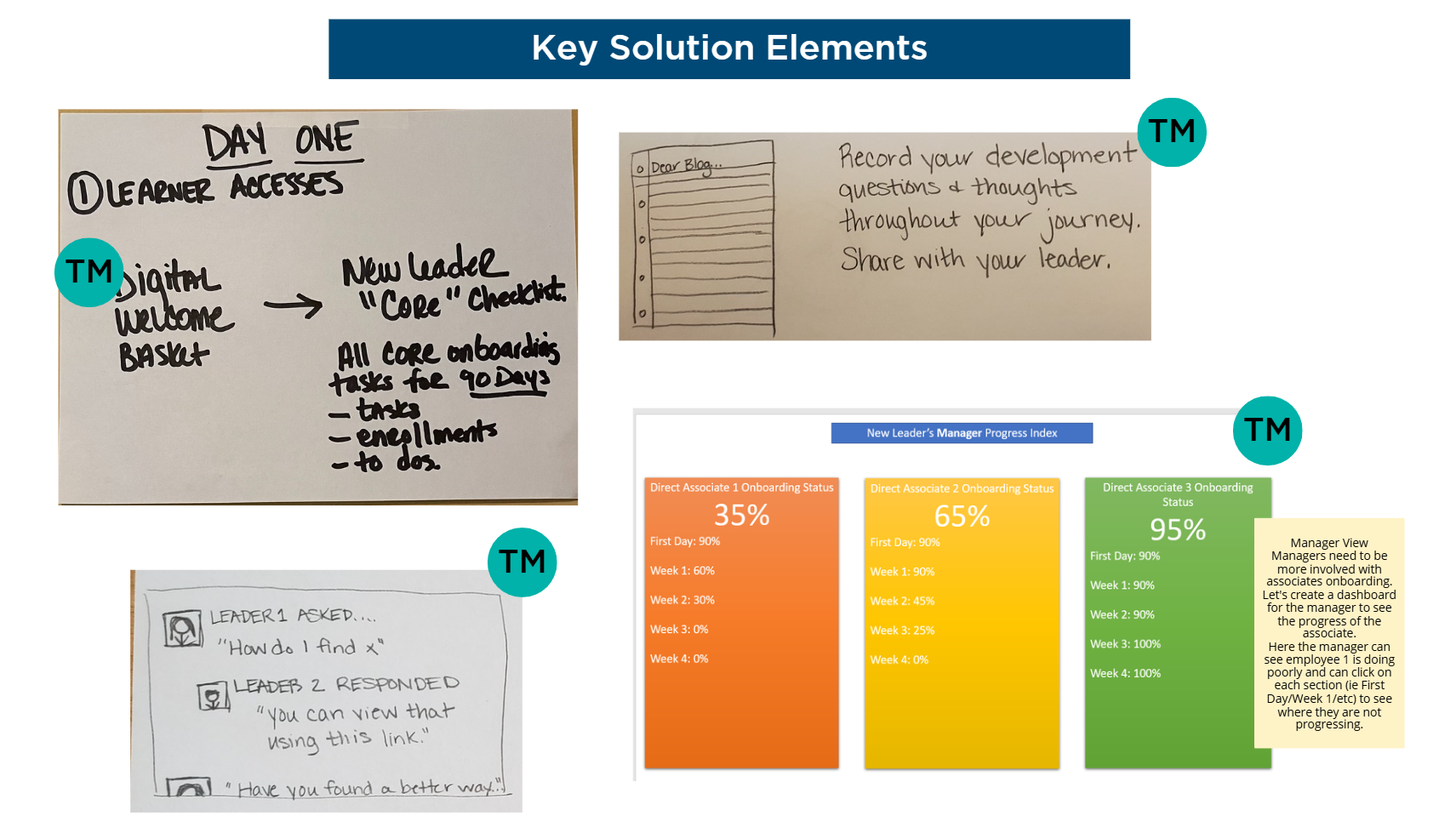
Leadership App

Using Design Thinking to generate new innovative ideas

View Project

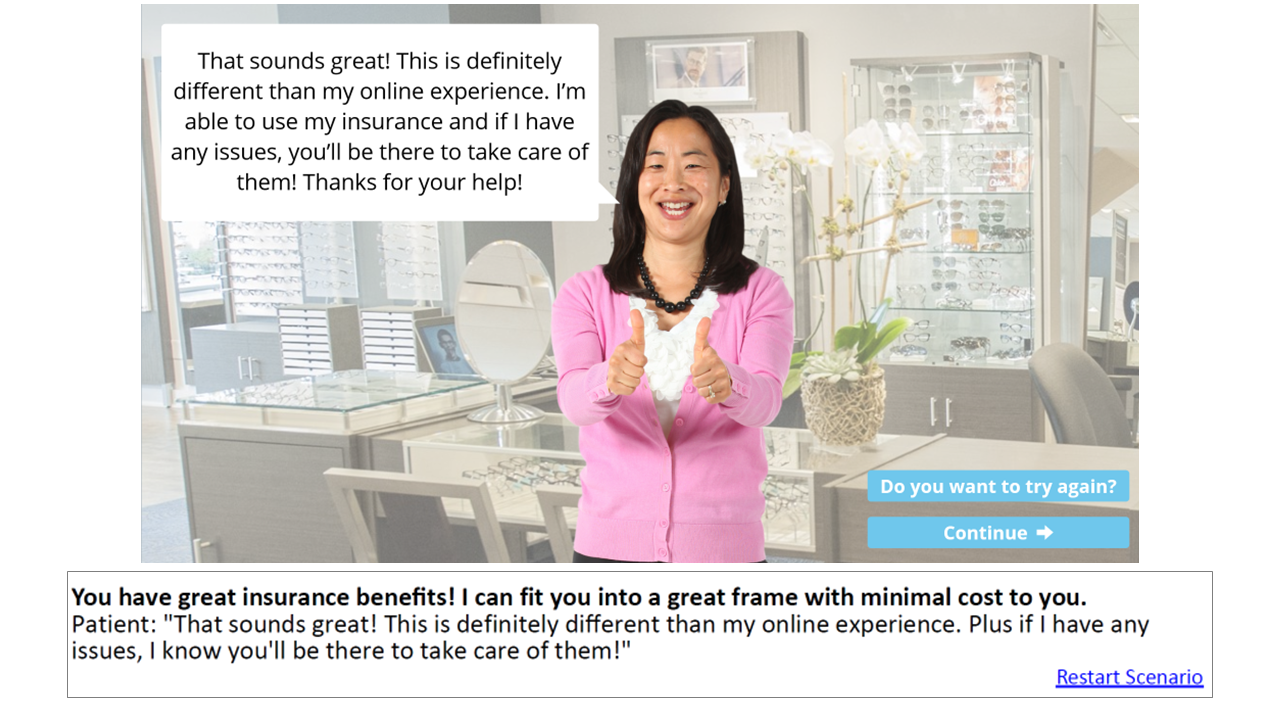
Branching Scenario

An innovative training that will teach field associates core selling skills that would provide each patient a vision solution that they need
View Project

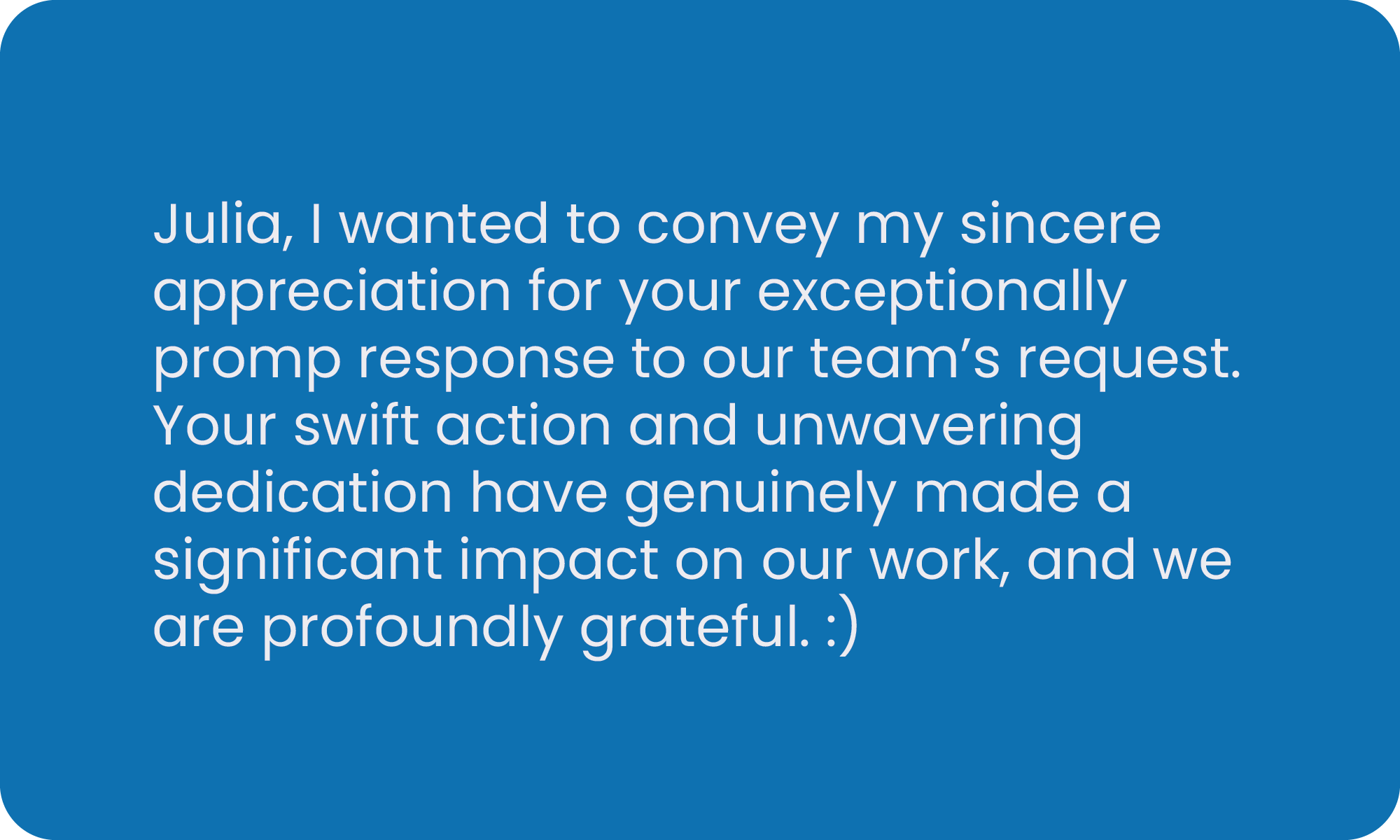
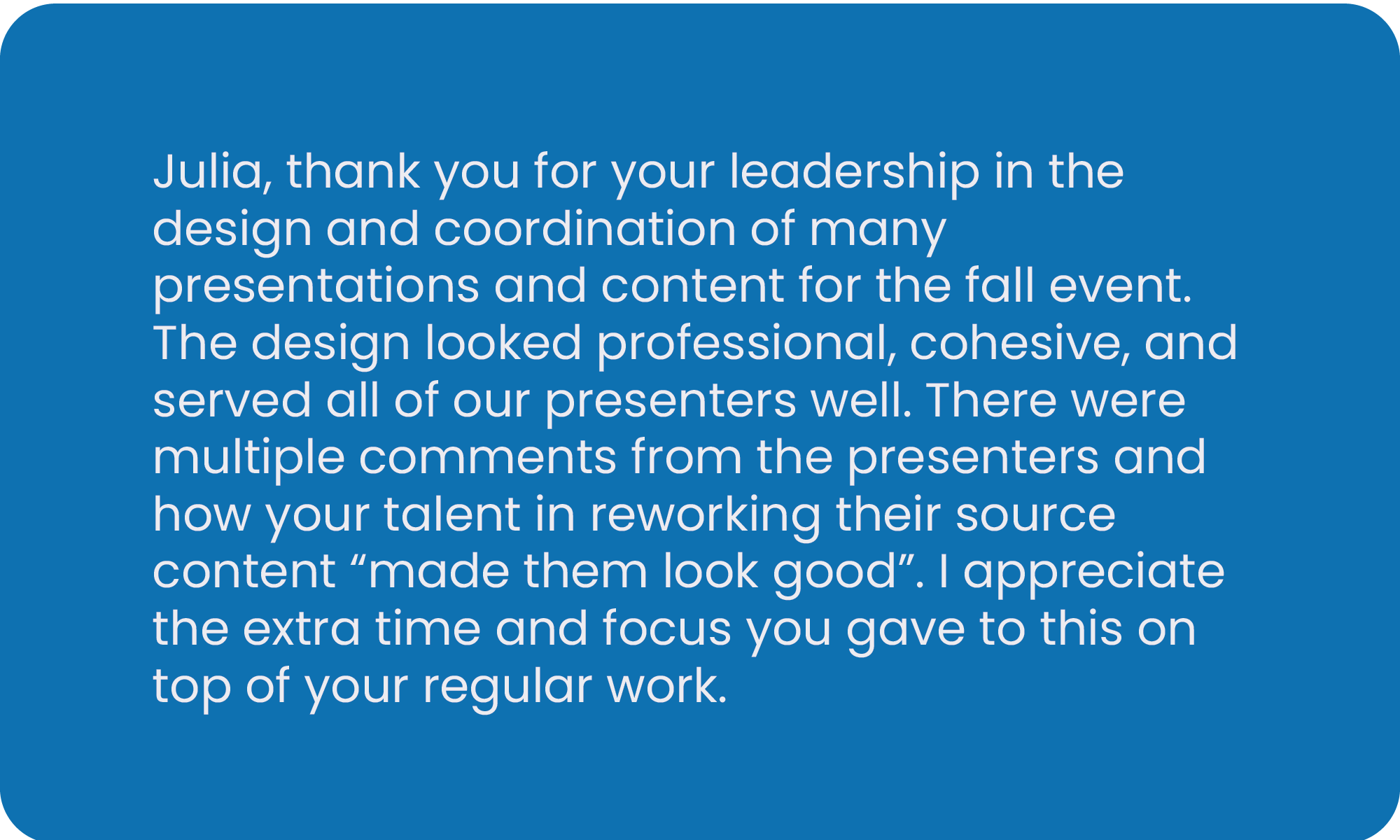
What Colleagues are Saying